 800-861-9372

Kratom use over time can lead to dependence and addiction. Kratom can have dangerous side effects when combined with other medications and illicit drugs.
Kratom Side Effects and Addiction Signs
Get Help Now 800-934-1582
 Sponsored
Sponsored
Kratom is an increasingly popular substance derived from a plant that grows in Southeast Asia. Its effects include pain relief, mood enhancement, energy and anxiety relief. However, kratom is also known to have addictive qualities and to potentially cause harmful side effects. It’s important to be aware of these side effects before considering the use of this substance.
In This Article:
- Is Kratom a Controlled Substance?
- What Are the Uses and Effects of Kratom?
- Is Kratom Safe Because It Is Plant-Based?
- What are the Effects of Kratom in Low Doses?
- What are the Effects of Kratom in High Doses?
- What are the Side Effects and Risks of Consuming Kratom?
- What are the Signs of Kratom Addiction?
- Can You Overdose on Kratom?
- What Is the Treatment for Kratom Addiction?
Is Kratom a Controlled Substance?
Although kratom is a controlled substance in many other countries, it is not regulated by the U.S. Drug Enforcement Administration. However, as of 2025, the U.S. Food and Drug Administration (FDA) has listed kratom as a “drug and chemical of concern.”
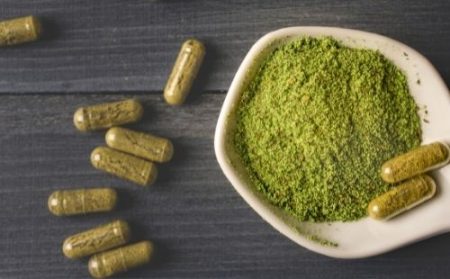
Kratom is typically consumed in the form of capsules or powder mixed with hot water as a tea. Kratom effects range from stimulating to sedative, depending on how much is consumed.
The FDA is advising people not to use kratom because of its opioid-like effects that “expose users to the risks of addiction, abuse and dependence.”1 The FDA banned the import of kratom into the United States in 2014.
Moreover, several states have regulated the use of Kratom. As of 2026, six states have classified it as a Schedule 1 drug alongside Ecstasy and heroin.2 Other states are also considering regulating kratom as a controlled substance.3
What Are the Uses and Effects of Kratom?
Kratom is commonly taken in the form of a powder added to teas, drinks and shakes. People may also take kratom in the form of pills, capsules and extracts. The FDA does not recognize any accepted medical use of kratom.1 However, this substance has traditionally been used by people in Southeast Asia for its medicinal properties as both a stimulant and pain reliever. It is also used as a muscle relaxant and to treat diarrhea.4
It is also used for its relaxing and opioid-like effects. Compounds found in kratom leaves interact with opioid receptors in the brain.5 Because Kratom acts like an opioid, individuals who use it can experience reduced pain, sedation and euphoria, especially when it is consumed in large amounts.5 Some people also use kratom to treat panic attacks and anxiety.
Others may use kratom to lessen the withdrawal symptoms associated with opioids or other addictive drugs.4,5 Like opioid medications, kratom can also be addictive, but with less severe withdrawal symptoms than opioid drugs.4
Kratom Use, Effects, and Risk of Addiction
Although technically not a narcotic, kratom is just as dangerous, with side effects mimicking that of other opioids like heroin.Is Kratom Safe Because It Is Plant-Based?
You may think that because kratom is plant-based, it is safe to use. However, that seems to depend on how it’s used. According to studies, many people can use kratom with minimal side effects.4 But kratom dependence and addiction can still occur.4,5
Also, kratom can have dangerous interactions when mixed with other drugs. Using kratom with other medications and illicit drugs increases the risk of toxic effects, including death.4,5 According to the FDA, most Kratom-associated overdose deaths involved the use of contaminated products or mixing kratom with other drugs such as heroin, fentanyl, cocaine, alcohol, benzodiazepines, morphine and prescription opioids. Toxic kratom effects, including liver damage, can also occur when taking this substance with certain prescription medications, such as diphenhydramine (an antihistamine) and caffeine.5
What are the Effects of Kratom in Low Doses?
When taken at low doses, kratom reportedly acts as a stimulant, like cocaine or amphetamines.5 Users report feeling more alert and focused.5 People who take kratom in small amounts every day may do so because they feel more productive and sociable.6
Kratom typically takes effect about 10 minutes after it is consumed, and usually lasts about 2-3 hours. This can vary greatly depending on your body chemistry, your weight, and whether you have taken kratom previously.
What are the Effects of Kratom in High Doses?
At high doses, kratom is used mostly as a pain reliever. Kratom is also taken at higher dosages to induce what is known as kratom euphoria.4,6
As the dosage is increased further, kratom acts more like a sedative. This means you will feel sleepy, lethargic and unmotivated. The more kratom you take, the higher the sedative effect you will feel.7 However, taking kratom in larger doses increases your odds of experiencing harmful side effects.
What are the Side Effects and Risks of Consuming Kratom?
Kratom use does come with risks and side effects. Side effects of kratom use worsen as the dosage is increased. In a survey of people in the U.S. using the substance for at least 1 year, doses of up to 5 grams reportedly produced less harmful kratom side effects than doses of 8 grams or more.4
Kratom side effects include:4,6
- Constipation
- Dry mouth
- Muscle pain
- Dehydration
- Liver damage
- Kidney damage
- Bladder spasms
- Weight loss
- Anorexia
- Muscle twitching
- Severe headache
Kratom is also known to negatively impact the brain and nervous system, causing:4,7
- Loss of coordination
- Vertigo
- Dizziness
- Drowsiness
- Hallucinations
- Grand delusions
- Suppression of breathing
- Seizures
- Coma
What are the Signs of Kratom Addiction?
Regular use of kratom can lead to dependence and addiction. A sign of dependence is when you develop drug tolerance and need an increasing amount of kratom to achieve the same effects as when you first started using it. Dependence becomes addiction when you are unable to function normally without using kratom, and when getting and using kratom is a central focus of your daily life.
Signs of kratom addiction include:4,6,7
- An increased need for kratom over time
- Using kratom more than once a day
- Constantly thinking about using kratom throughout the day
- Kratom use is negatively affecting relationships
- Lying to your friends and family about your kratom use
- Starting to use kratom in large amounts
- Feeling digestive upset and stomach issues because of how much kratom you take at a time
- Feeling symptoms of withdrawal when you try to stop taking kratom
- Feeling that you can’t live without kratom
Reported withdrawal effects when stopping prolonged use of kratom include irritability, muscle aches, runny nose, diarrhea and muscle jerking.7
While these withdrawal symptoms are similar to opioid withdrawal, kratom withdrawal symptoms are generally milder and of shorter duration.4
Can You Overdose on Kratom?
Although a kratom overdose is not as common as with other drugs of abuse, it is possible to overdose on kratom.4,5 The risk of kratom overdose increases if you are consuming contaminated products or when it’s mixed with other prescription medications, illicit drugs or alcohol.4,5
Signs of kratom overdose include:4,7
- Coma
- Seizures
- Listlessness
- Inability to be roused from a restful state
- Extreme nausea
- Hallucinations
- Delusions
- Sweating
- Fever and flu-like symptoms
What Is the Treatment for Kratom Addiction?
Kratom addiction can be treated in a similar manner to opioid use disorder.4 Standard medical management includes tapering a person off the drug gradually and controlling withdrawal symptoms and cravings with buprenorphine or methadone. 4 Behavioral therapy also has proven effective in treating people with kratom addiction.5
Other options for kratom addiction treatment include:4
- A professionally monitored detox program
- A traditional 12-step or recovery support group
- A holistic treatment center that looks at physical, mental and spiritual aspects of care
- Treating any underlying mental disorders that led to substance use
If you or someone you know is struggling with kratom dependence, call 800-934-1582(Sponsored) to speak with a treatment specialist for recovery options near you.
References
- U.S. Food and Drug Administration. (2025). FDA and Kratom.
- Partnership to End Addiction. (2016). Six States Ban Kratom Over Concerns About Addiction Potential.
- Ramirez, E., Adibmoradi, B., & Bourgeois, M. (2021). Kratom in America: Legal Differences across Federal, State, and Local Jurisdictions. Mathews Journal of Psychiatry & Mental Health, 6(1).
- Veltri, C., & Grundmann, O. (2019). Current perspectives on the impact of Kratom use. Substance Abuse and Rehabilitation, 10, 23-31.
- National Institute on Drug Abuse. (2026). Kratom DrugFacts. National Institutes of Health.
- Ratard, R. (2019). Kratom (Mitragyna speciose) Study on the Public Health Risks and Recommendations. Louisiana Department of Health.
- Cinosi, E., Martinotti, G., Simonato, P., Singh, D., Demetrovics, Z., Roman-Urrestarazu, A., Bersani, F. S., Vicknasingam, B., Piazzon, G., Li, J. H., Yu, W. J., Kapitány-Fövény, M., Farkas, J., Di Giannantonio, M., & Corazza, O. (2015). Following “the Roots” of Kratom (Mitragyna speciosa): The Evolution of an Enhancer from a Traditional Use to Increase Work and Productivity in Southeast Asia to a Recreational Psychoactive Drug in Western Countries. BioMed Research International.
- National Institute on Drug Abuse. (2025). Treatment Approaches for Drug Addiction DrugFacts.
the Take-Away